A practical guide to understanding and managing sugar cravings
A sugar craving can reflect hunger, habit, stress, poor sleep or a highly predictable cue—not necessarily a problem with blood glucose. This guide helps you identify your pattern, respond without rigid food rules and recognize symptoms that deserve medical attention. If hunger changes abruptly or comes with excessive thirst or unexplained weight change, investigate the cause instead of simply trying to suppress it.
Start by defining the problem
A craving is a strong desire for a specific food, while physical hunger is usually less selective and builds gradually. If several ordinary foods sound satisfying, you are probably hungry; if only cookies, candy or another specific sweet seems acceptable, a cue or learned habit may be playing a larger role.
Frequency and context matter more than a single craving. For one week, note the time, what you last ate, your hunger from 0 to 10, sleep the night before and what was happening immediately before the urge. If hunger changes abruptly or comes with excessive thirst or unexplained weight change, investigate the cause instead of simply trying to suppress it.
- Cravings before lunch may follow a small or skipped breakfast.
- Afternoon urges may appear after a low-fiber lunch or during a routine break.
- Evening cravings often coincide with fatigue, restriction earlier in the day or a learned TV-and-snack pairing.
- A craving after seeing or smelling food can occur even when the body has adequate energy.
Why sweets can feel especially compelling
Sweet foods are pleasurable, readily available and often connected with comfort, celebration or reward. Repetition strengthens the connection between a cue and the expected food, so the same place, emotion or time of day can begin to prompt an urge automatically.
Long gaps between meals can make fast energy particularly attractive. Meals containing protein, fiber-rich carbohydrate and some fat generally provide more staying power than a drink, pastry or refined snack alone, although no single meal composition eliminates cravings for everyone.
- Physical contributors: inadequate food, strenuous activity, poor sleep or a restrictive diet.
- Emotional contributors: stress, boredom, loneliness or using food as a reward.
- Environmental contributors: visible candy, delivery apps, vending machines or oversized packages.
- Medication and health contributors: some medicines and medical conditions can change hunger or appetite.
Supplements for Sugar Cravings
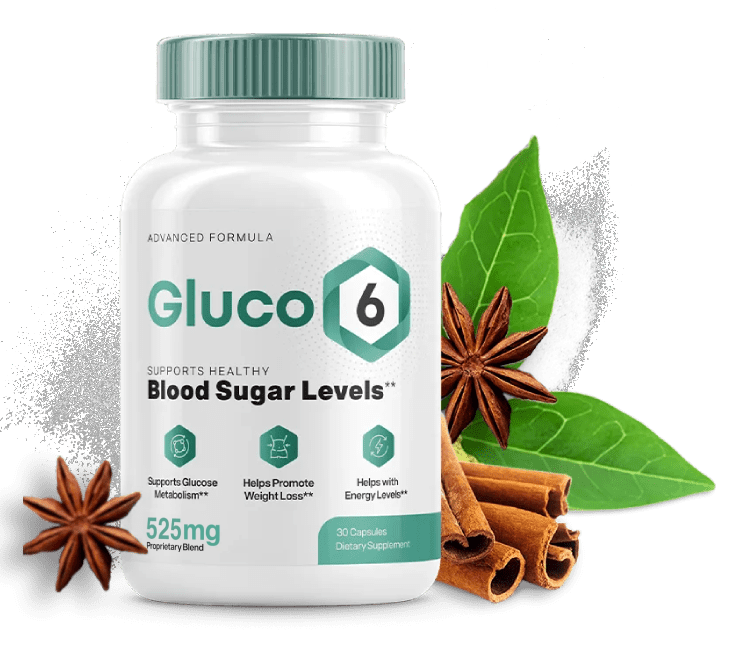
Gluco6
Gluco6 is a blood-sugar-support formula featuring gymnema, a plant traditionally used in metabolic wellness. Its intended benefit is normal blood-glucose metabolism; for people interested in sugar cravings, this remains a separate wellness objective rather than a direct weight-loss treatment.
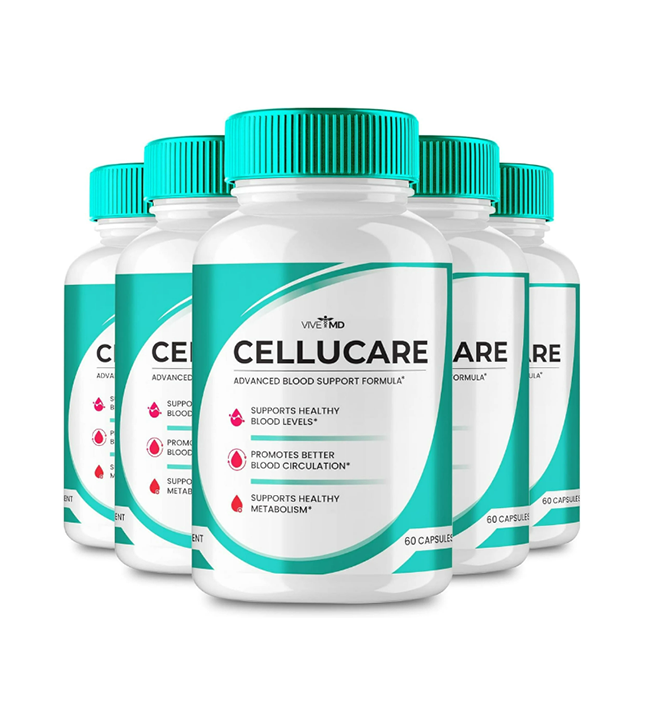
CelluCare
CelluCare is a botanical metabolic-wellness supplement focused on blood-sugar regulation and everyday vitality. Its intended benefit is healthy glucose handling and metabolic wellness; for people interested in sugar cravings, this remains a separate wellness objective rather than a direct weight-loss treatment.
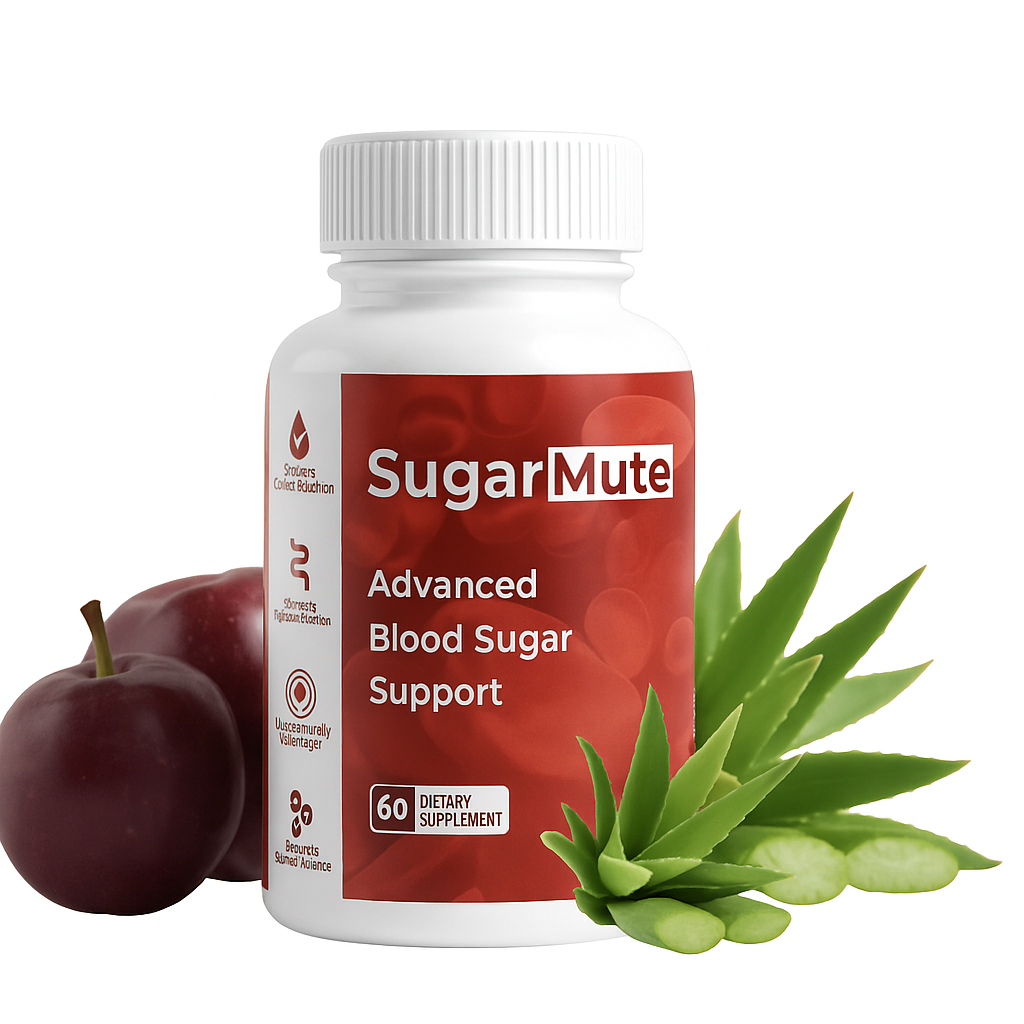
Sugar Mute
Sugar Mute is a nutritional supplement positioned around carbohydrate metabolism and healthy glucose balance. Its intended benefit is normal carbohydrate processing and glucose balance; for people interested in sugar cravings, this remains a separate wellness objective rather than a direct weight-loss treatment.
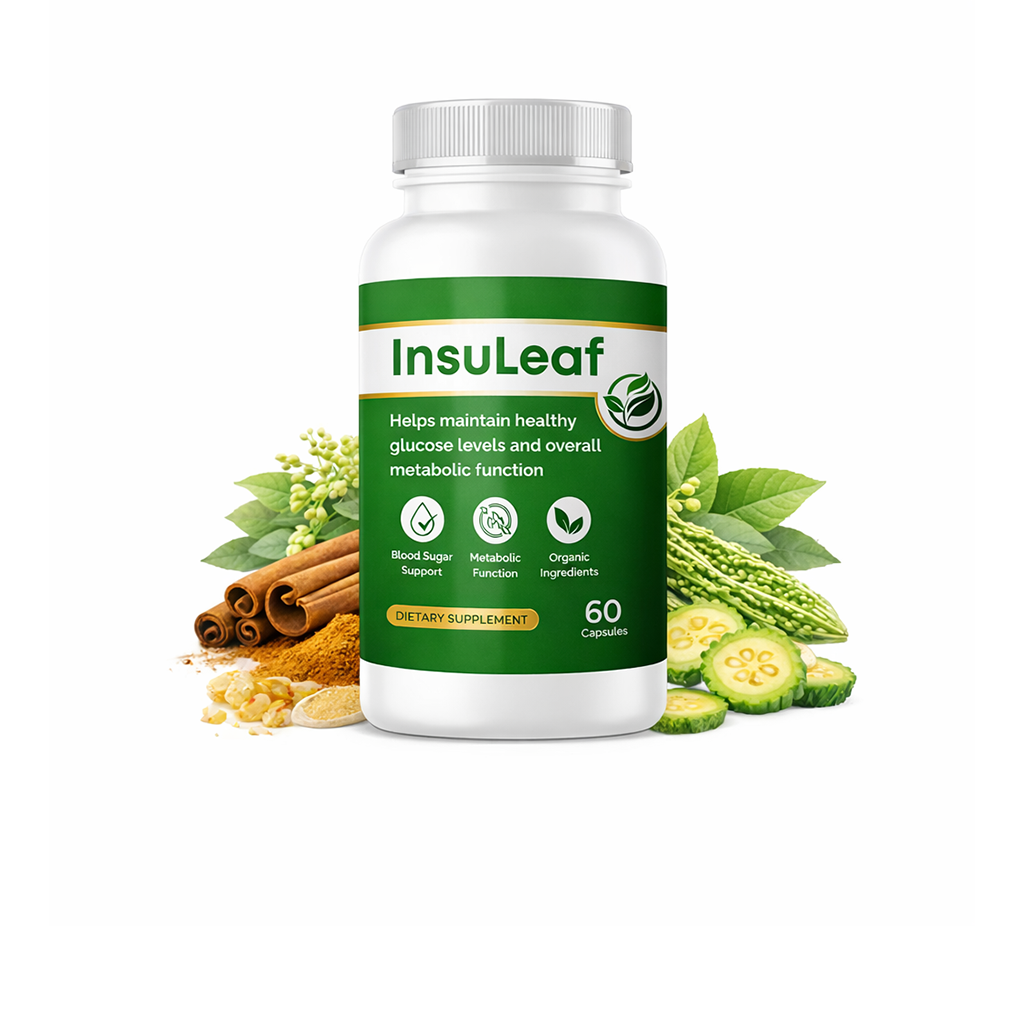
InsuLeaf
InsuLeaf is a plant-oriented nutritional formula for normal insulin function and carbohydrate metabolism. Its intended benefit is normal insulin function and carbohydrate metabolism; for people interested in sugar cravings, this remains a separate wellness objective rather than a direct weight-loss treatment.
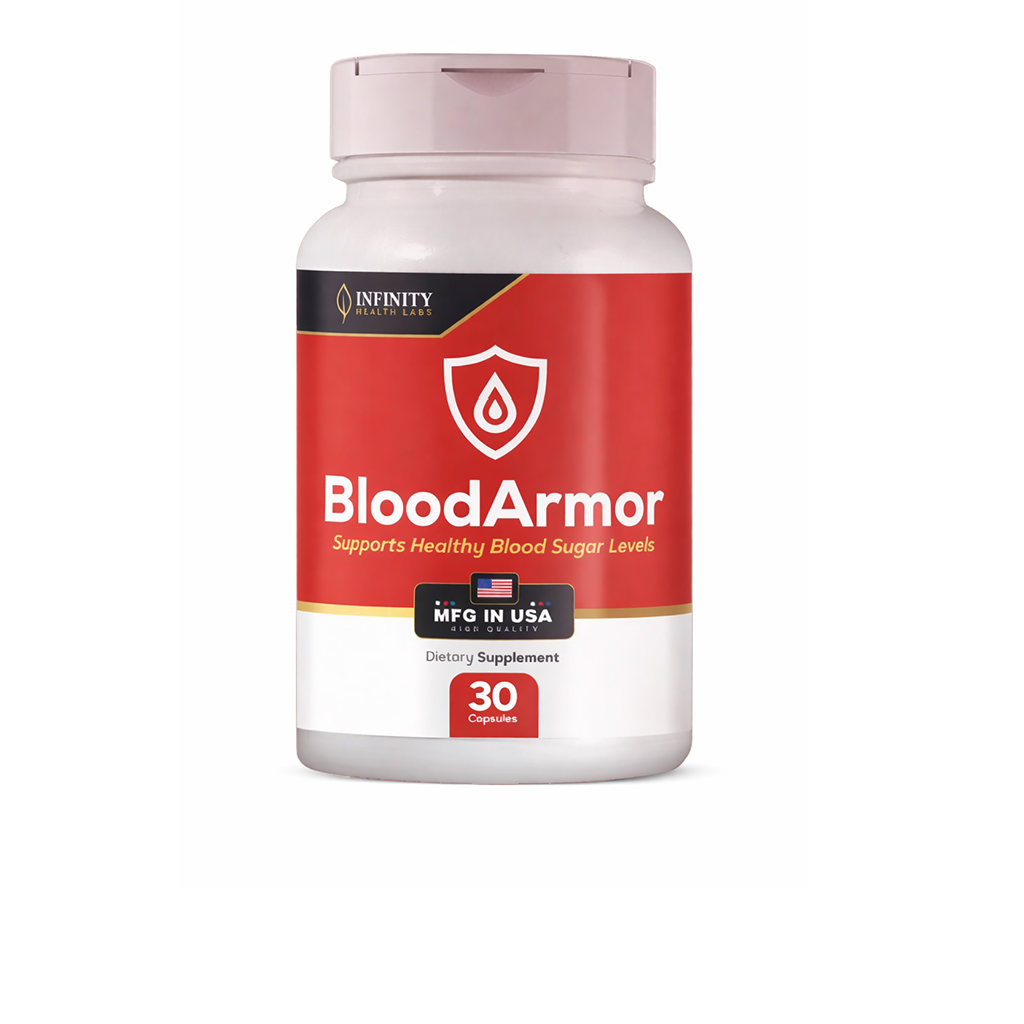
Blood Armor
Blood Armor is a supplement positioned around circulatory and metabolic wellness. Its intended benefit is circulation and cardiovascular wellness; for people interested in sugar cravings, this remains a separate wellness objective rather than a direct weight-loss treatment.

GL Pro
GL Pro is a dietary formula positioned for normal glucose processing and metabolic health. Its intended benefit is glucose processing and daily metabolic balance; for people interested in sugar cravings, this remains a separate wellness objective rather than a direct weight-loss treatment.
Sugar Mute
Sugar Mute is a nutritional supplement positioned around carbohydrate metabolism and healthy glucose balance. Its intended benefit is normal carbohydrate processing and glucose balance; for people interested in sugar cravings, this remains a separate wellness objective rather than a direct weight-loss treatment.
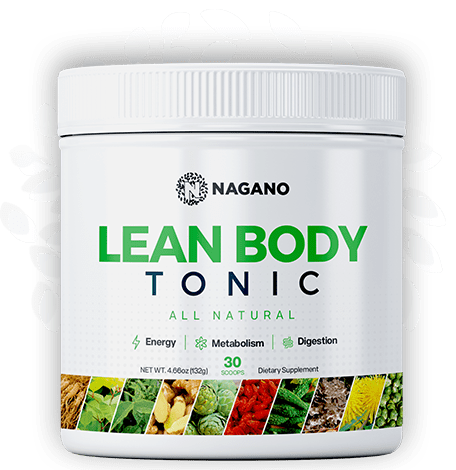
Nagano Tonic
Nagano Tonic is a powdered drink mix made with botanicals and nutrients including camu camu, green-tea EGCG, mangosteen, ginger and inulin. Its formula is promoted for daily metabolic, energy and digestive support; it is not a substitute for balanced nutrition or medical care. When comparing options alongside sugar cravings, review the ingredient label and seller terms before ordering.
A simple response when a craving arrives
Pause long enough to identify whether you need a meal, a planned snack or a change of scene. The aim is not to prove that you can resist food; it is to make a deliberate choice rather than following the cue automatically.
If you are hungry, eat something substantial. Examples include Greek yogurt with berries, an apple with peanut butter, eggs with whole-grain toast, or beans and vegetables in a tortilla. If you still want the sweet afterward, serve a portion and eat it without multitasking.
- Rate your hunger and ask when you last ate.
- Choose a meal or balanced snack if you are physically hungry.
- For a cue-driven urge, wait 10 minutes while changing rooms, making tea or taking a short walk.
- Avoid compensating afterward by skipping meals; that can restart the cycle.
When cravings need more than self-help
Seek medical care for cravings accompanied by excessive thirst, frequent urination, unexplained weight change, persistent fatigue or blurry vision. These symptoms can have multiple causes and cannot be evaluated by a supplement or an online quiz.
People taking insulin or medicines that can cause low blood sugar should follow their clinician's hypoglycemia plan when shakiness, sweating, confusion or weakness occurs. Recurrent binge episodes, vomiting, severe restriction or intense distress around eating are reasons to contact a physician or eating-disorder specialist.
- Do not change diabetes medication in response to cravings alone.
- Urgent confusion, fainting or inability to swallow requires emergency assistance.
- A registered dietitian can help when restrictive rules, allergies or medical nutrition needs make regular eating difficult.
Frequently Asked Questions
Not usually. Habit, hunger, stress and food cues can all cause cravings. If you use glucose-lowering medication or have symptoms of hypoglycemia, check and treat according to your clinician's plan rather than guessing from the craving. Review meal composition and sleep patterns before assuming a stronger suppressant is needed.
Whole fruit provides water, fiber and nutrients and is different from added sugar in candy or soda. Fruit juice is easier to consume quickly and is less filling, so whole fruit is generally the more useful everyday choice.
No. Planned portions can be easier to sustain than an all-or-nothing ban, which may increase preoccupation and rebound eating for some people.